
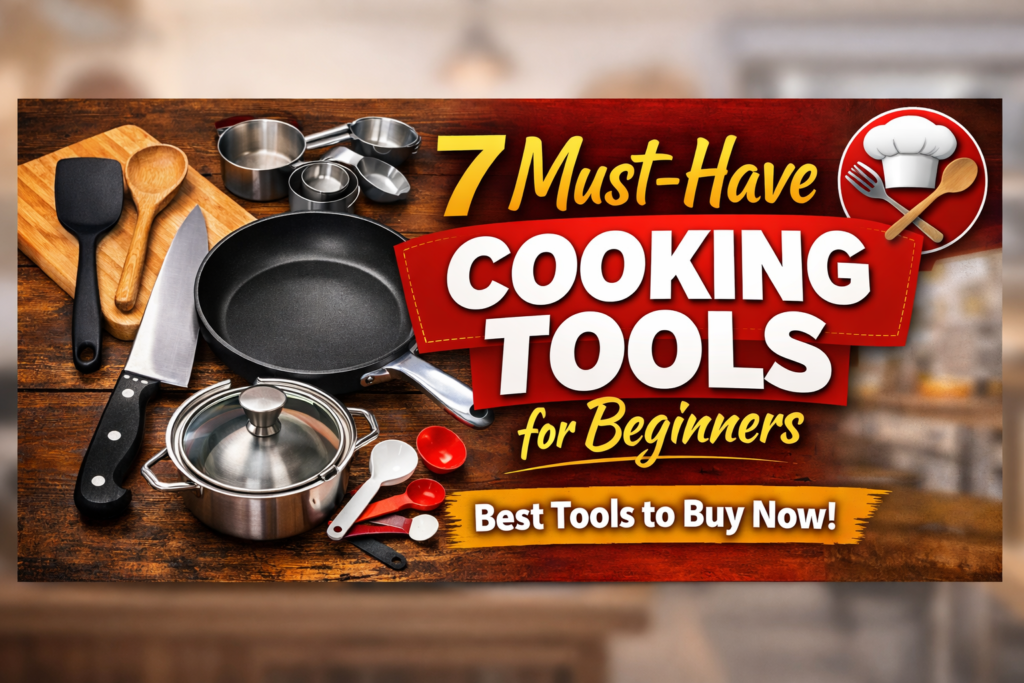
Starting your cooking journey can feel overwhelming, especially when you don’t know which tools are truly essential. Walk into any kitchen store or browse online, and you’ll find hundreds of gadgets promising to make cooking easier—but not all of them are necessary.
KitchenLabZone is a reader-supported website. This means that when you click on certain links on our site and make a purchase, we may earn a small commission—at no additional cost to you.
As an Amazon Associate, KitchenLabZone earns from qualifying purchases. These affiliate links help us keep our content free, up-to-date, and helpful for our readers.We only recommend products that we genuinely believe offer value and are relevant to our audience. Our reviews and recommendations are based on research, user feedback, and personal opinions, not influenced by affiliate partnerships.Your support through these links allows us to continue providing high-quality kitchen guides, product reviews, and buying advice.
If you have any questions regarding this disclosure, feel free to contact us.
Thank you for supporting KitchenLabZone!
If you’re a beginner, the key is to keep things simple and focus on must-have cooking tools that will actually help you cook efficiently and confidently. In this guide, we’ll break down the 7 essential cooking tools every beginner needs, along with tips on how to choose the best ones.
Why Choosing the Right Cooking Tools Matters
Before jumping into the list, it’s important to understand why having the right tools is crucial:
- Saves time in the kitchen
- Makes cooking easier and more enjoyable
- Improves food quality and consistency
- Reduces frustration for beginners
Instead of buying unnecessary gadgets, investing in a few high-quality basics will give you better results and long-term value.
1. Chef’s Knife – The Most Important Tool
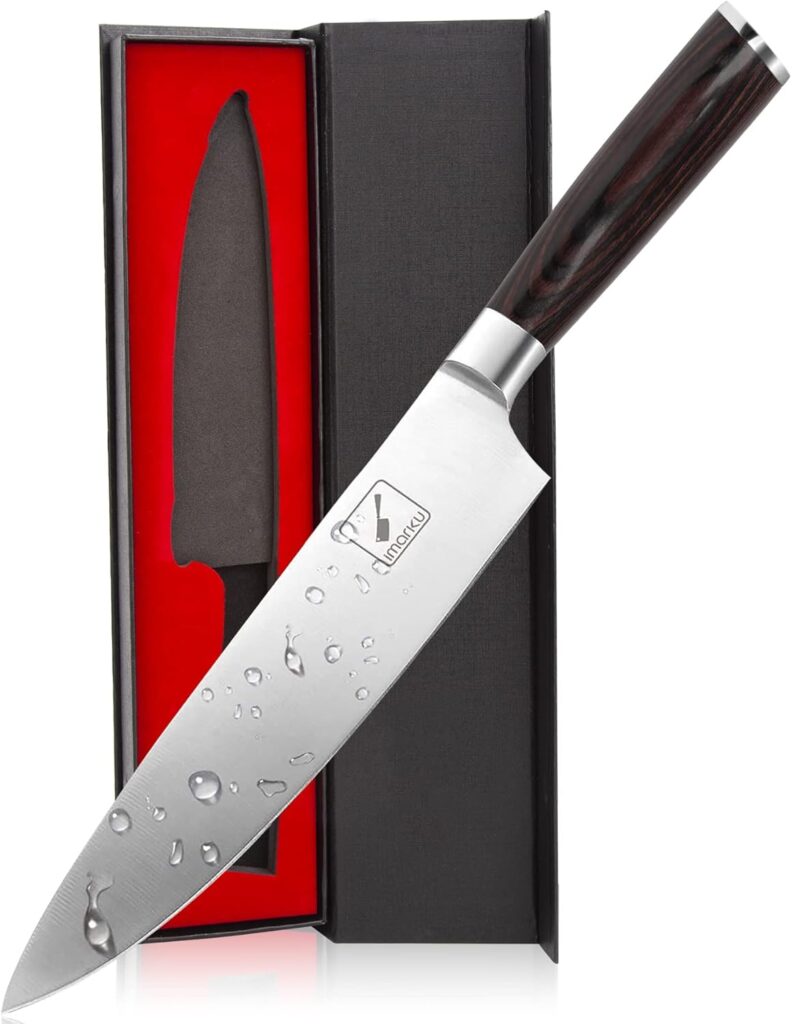
- High-Carbon Stainless Steel Blade: It is manufactured from high-quality stainless steel that maintains its functionality…
- Multi-functional Knife: The gyutou knife is classified and designed to be a multipurpose knife for professional applicat…
- Ergonomic Pakka Handle: To make it more professional and minimize any fatigue, finger numbness or aches after holding it…
If you only buy one kitchen tool, make it a chef’s knife. This is the backbone of your kitchen and will be used for nearly every task.
Why You Need It:
- Chopping vegetables
- Cutting meat
- Slicing fruits
- Dicing herbs
What to Look For:
- Blade length: 8 inches (ideal for beginners)
- Comfortable grip
- Stainless steel blade
- Well-balanced weight
Pro Tip:
Avoid cheap knives—they dull quickly and make cutting harder. A sharp, quality knife is actually safer than a dull one.
2. Cutting Board – Protect Your Counter & Knife
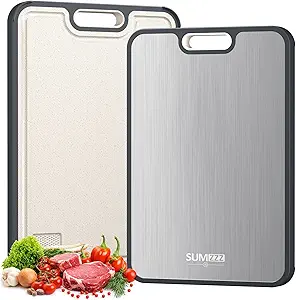
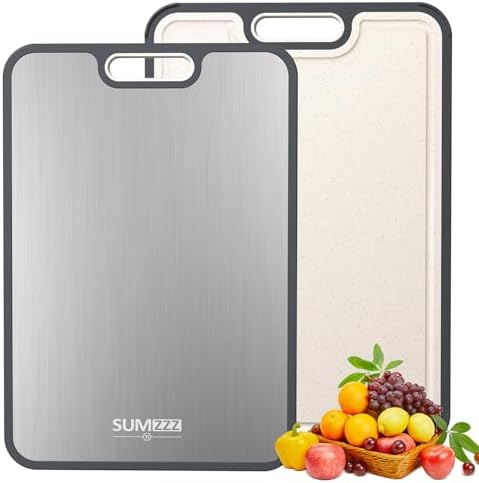
- 【2 IN 1 Cutting Board 】Cutting board is a versatile 2 in 1 kitchen tool, with one side made of food-grade 99.9%Pure Tita…
- 【High Quality】Titanium cutting board completely improves the shortcomings of traditional cutting boards traditional cutt…
- 【Saving-Time Design】Built-in juice groove and garlic grinding area cutting board, deep groove that doesn’t spill liquids…
A good cutting board is essential to pair with your knife. It not only protects your kitchen surfaces but also keeps your knife sharp longer.
Types of Cutting Boards:
- Wooden boards – Durable and knife-friendly
- Plastic boards – Easy to clean and budget-friendly
Why You Need It:
- Prevents damage to countertops
- Provides a stable cutting surface
- Reduces risk of accidents
Pro Tip:
Use separate boards for raw meat and vegetables to maintain hygiene.
3. Non-Stick Frying Pan – Perfect for Everyday Cooking
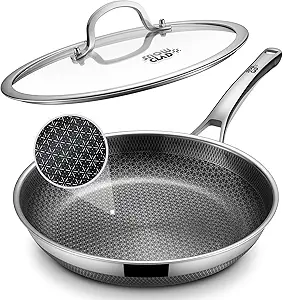
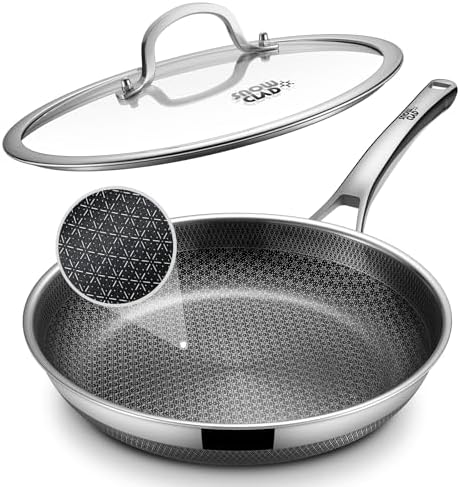
- 〔Surface of SnowFlake〕: Our non stick frying pans feature a fusion of stainless steel and a non-stick layer, crafted wit…
- 〔Premium Durability〕: Reinforced tri-ply stainless steel, and impact-bonded bases guarantee quick, uniform heating ,enha…
- 〔All Cooktops Compatible〕Induction-ready, high magnetic conductivity bases make these sets compatible with all cooking s…
A non-stick frying pan is one of the most beginner-friendly tools you can own. It’s ideal for simple meals and requires less oil.
Best Uses:
- Frying eggs
- Cooking pancakes
- Sautéing vegetables
- Making quick meals
What to Look For:
- Medium size (10–12 inches)
- Durable non-stick coating
- Heat-resistant handle
Pro Tip:
Avoid using metal utensils on non-stick pans—they can damage the coating.
4. Saucepan – For Boiling & Simmering
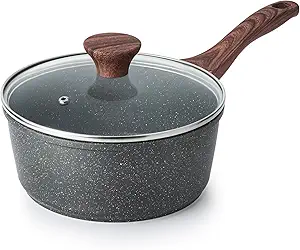

- Swiss Non-Stick Coating – Swiss ILAG nonstick granite coating. Free of intentionally added PFOA/PFOS, smokeless, safe & …
- Suitable For All Stoves – High magnetic conductive stainless steel base allows the sauce pan to work on all cooktops, in…
- Versatile and Convenient – Size: 8″ diameter, 3.4″ deep, 2.5 Quart. This induction sauce pot with lid is ideal for small…
A saucepan is essential for cooking liquids and preparing a wide range of dishes.
Best Uses:
- Boiling pasta
- Making sauces
- Cooking rice
- Heating soups
What to Look For:
- Heavy bottom for even heating
- Lid included
- Heat-resistant handle
Pro Tip:
Start with a medium-sized saucepan (2–3 quarts) for versatility.
5. Measuring Cups & Spoons – Accuracy Matters
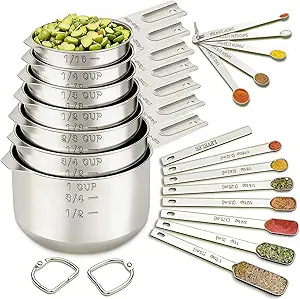
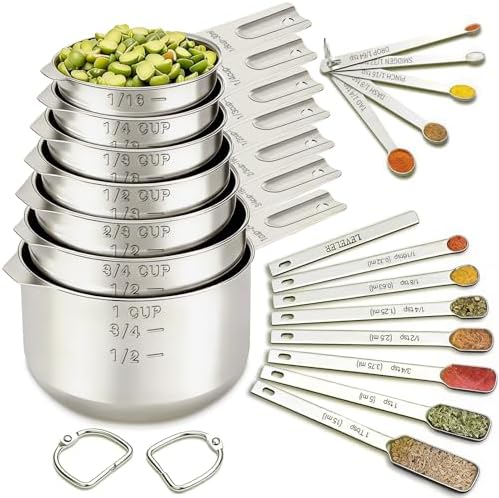
- PERFECT DESIGNED TO LAST A LIFETIME: Our measuring cups and spoons are all made out of one piece of metal so the handles…
- CONVENIENT TO READ MEASUREMENTS: Each measuring cup also has outside markings for a smaller measurement size that is vis…
- 【PROFESSIONAL SET INCLUDES ALL ODD SIZES】: This set comes with 7 stainless measuring cups: 1/8, 1/4, 1/3, 1/2, 2/3, 3/4,…
Cooking is flexible, but baking and many recipes require precise measurements. That’s where measuring tools come in.
Why You Need Them:
- Ensures consistent results
- Prevents recipe mistakes
- Essential for baking
Types:
- Dry measuring cups
- Liquid measuring cups
- Measuring spoons
Pro Tip:
Always level off dry ingredients for accurate measurement.
6. Spatula & Cooking Utensils – Handle Food Easily
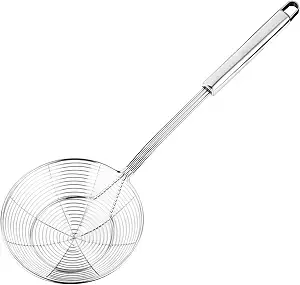

- HEAT RESISTANT & DURABLE: This solid strainer is made of premium food grade 18/8 stainless steel which is heat-resistant…
- DIMENSIONS: The whole length is 15.5 inches, diameter of the the bowl is 5.4 inches and depth is 1.6 inches, with the pr…
- ERGONOMIC LONG HANDLE: The long handle protects you from oil splashing and burning when cooking at high temperatures. 4 …
A set of basic utensils is necessary for handling food while cooking.
Must-Have Utensils:
- Spatula
- Wooden spoon
- Tongs
Why You Need Them:
- Stirring ingredients
- Flipping food
- Mixing sauces
What to Choose:
- Silicone or wooden utensils (safe for non-stick cookware)
Pro Tip:
Silicone spatulas are heat-resistant and very versatile.
7. Mixing Bowls – Prep Like a Pro
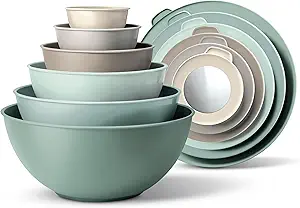

- 12 Piece nesting bowl set – a practical set of easy to clean kitchen bowls that can be used for food prep, serving, and …
- Set includes 6 plastic bowls and 6 TPR lids; Bowl capacity of 0.32 QT, 0.74 QT, 1.37 QT, 3.69 QT and 5.8 QT.
- Plastic mixing bowl set made of BPA free durable polypropylene and food safe material. Top rack dishwasher safe, microwa…
Mixing bowls are often overlooked, but they are extremely useful for prepping ingredients.
Uses:
- Mixing ingredients
- Marinating meat
- Preparing salads
- Storing food temporarily
What to Look For:
- Stainless steel or glass
- Different sizes
- Stackable design
Pro Tip:
Having at least 2–3 bowls makes cooking much easier and organized.
Bonus Tools (Optional but Helpful)
Once you’ve covered the basics, you can consider these additional tools:
- Blender – for smoothies and sauces
- Peeler – for fruits and vegetables
- Colander – for draining pasta
- Food storage containers
How to Choose the Best Cooking Tools (Buying Guide)
When shopping for kitchen tools, keep these tips in mind:
1. Focus on Quality Over Quantity
It’s better to have fewer high-quality tools than many cheap ones.
2. Read Reviews
Check online reviews before buying—especially if you’re shopping from Amazon.
3. Start Simple
Don’t overwhelm yourself. Buy tools as you need them.
4. Budget Smartly
You don’t need expensive tools—just reliable ones.
Common Mistakes Beginners Make
Avoid these mistakes when buying kitchen tools:
- Buying too many gadgets at once
- Choosing cheap, low-quality items
- Ignoring comfort and usability
- Not maintaining tools properly
Tips to Maintain Your Cooking Tools
To make your tools last longer:
- Wash knives by hand
- Avoid harsh scrubbing on non-stick pans
- Dry tools properly after washing
- Store knives safely
Final Thoughts
Starting your cooking journey doesn’t require a fully stocked kitchen. With just these 7 must-have cooking tools, you can prepare a wide range of delicious meals with ease.
Focus on learning basic cooking skills and gradually expand your kitchen tools as your confidence grows. Remember, great cooking is not about having the most tools—it’s about using the right ones effectively.
Conclusion
Investing in the right cooking tools is the first step toward becoming a confident home cook. These beginner-friendly essentials will help you save time, cook efficiently, and enjoy the process.
Whether you’re cooking for yourself or your family, these tools will form the foundation of your kitchen for years to come.
The most essential cooking tools for beginners include a chef’s knife, cutting board, non-stick frying pan, saucepan, measuring cups and spoons, basic utensils (like spatula and tongs), and mixing bowls. These tools cover almost all basic cooking needs.
2. What is the first kitchen tool I should buy as a beginner?
The first tool every beginner should invest in is a chef’s knife. It is the most versatile tool and is used for chopping, slicing, and dicing almost every ingredient.
3. Do I need expensive cooking tools to start cooking?
No, you don’t need expensive tools. Beginners should focus on affordable but good-quality tools. High price doesn’t always mean better performance—reliability and durability matter more.
4. Why is a non-stick pan recommended for beginners?
A non-stick pan is beginner-friendly because it:
- Prevents food from sticking
- Requires less oil
- Is easy to clean
It’s perfect for simple dishes like eggs, pancakes, and vegetables.
5. How many kitchen tools do I really need to start cooking?
You only need around 5–7 basic tools to get started. Avoid buying too many gadgets at once. Start simple and expand your collection as you gain experience.
6. What type of cutting board is best for beginners?
Both wooden and plastic cutting boards are good:
- Wooden boards are durable and knife-friendly
- Plastic boards are affordable and easy to clean
Using separate boards for meat and vegetables is recommended for hygiene.
7. Are measuring cups necessary for cooking?
Yes, measuring cups and spoons are important, especially for baking and precise recipes. They help ensure consistent results and prevent mistakes.
8. How do I choose good-quality kitchen tools?
Look for:
- Strong and durable materials
- Comfortable grip and design
- Positive customer reviews
- Trusted brands
Avoid very cheap tools that may break or wear out quickly.
9. What are common mistakes beginners make when buying kitchen tools?
Common mistakes include:
- Buying too many unnecessary gadgets
- Choosing low-quality tools
- Ignoring comfort and usability
- Not researching before खरीदारी
10. Can I cook without all these tools?
Yes, you can cook with fewer tools, but having these essentials makes cooking easier, faster, and more enjoyable, especially for beginners.
11. How do I maintain my cooking tools properly?
To keep your tools in good condition:
- Wash knives by hand
- Avoid metal utensils on non-stick pans
- Dry tools after washing
- Store them properly
12. When should I upgrade my kitchen tools?
You should upgrade your tools when:
- They become worn out or damaged
- You start cooking more advanced recipes
- You feel limited by your current tools
also read: https://kitchenlabzone.com/best-kitchen-gadgets-under-budget-top-affordable-tools-you-can-buy-today/ https://kitchenlabzone.com/best-kitchen-cooking-tools-accessories/
Pingback: Best Kitchen Gadgets in Pakistan – Top Picks with Prices & Reviews - kitchenlabzone.com