
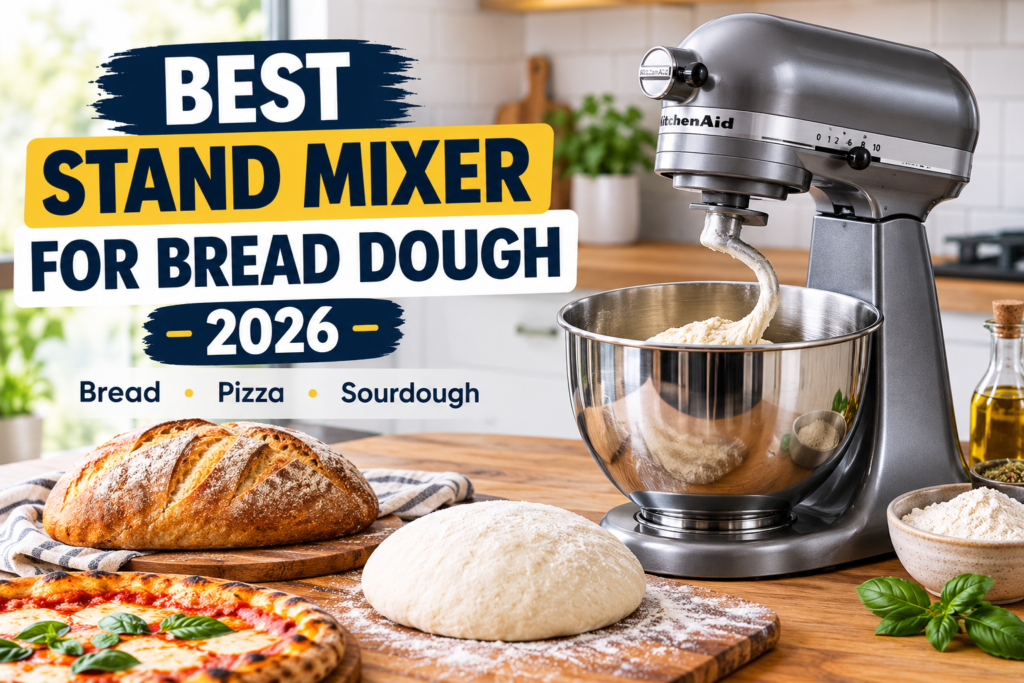
Find the best stand mixer for bread dough in 2026. Compare powerful mixers for homemade bread, sourdough, pizza dough, and stiff dough.
KitchenLabZone is a reader-supported website. This means that when you click on certain links on our site and make a purchase, we may earn a small commission—at no additional cost to you.
As an Amazon Associate, KitchenLabZone earns from qualifying purchases. These affiliate links help us keep our content free, up-to-date, and helpful for our readers.We only recommend products that we genuinely believe offer value and are relevant to our audience. Our reviews and recommendations are based on research, user feedback, and personal opinions, not influenced by affiliate partnerships.Your support through these links allows us to continue providing high-quality kitchen guides, product reviews, and buying advice.
If you have any questions regarding this disclosure, feel free to contact us.
Thank you for supporting KitchenLabZone!
A stand mixer that whips cream beautifully can still stall, groan, or “walk” across your counter the moment you load it with a stiff bread or bagel dough. Bread dough isn’t just thicker batter — it’s a dense, elastic mass that fights back against the mixer’s motor, gears, and dough hook for several minutes at a time. That’s a very different job than folding egg whites into a cake batter.
If you’ve ever watched a mixer’s head shudder, smelled a faint “hot motor” scent, or noticed your machine inching toward the edge of the counter mid-knead, you already know that not every mixer is built for this. The differences that matter for dough aren’t always the ones listed in bold on the box. Motor torque, internal gearing, bowl stability, dough-hook geometry, and total mixer weight all affect whether a machine can knead a full batch of sourdough or pizza dough without struggling — regardless of how many watts are printed on the label.
This guide focuses specifically on bread and pizza dough performance, using published manufacturer specifications and expert testing (from sources like King Arthur Baking, Tom’s Guide, and manufacturer product pages) to help you pick a mixer that will actually hold up to regular kneading — not just look good on a wedding registry. If you’re shopping for a stand mixer for general baking rather than dough specifically, our <a href=”https://kitchenlabzone.com/best-stand-mixers-2026-2/”>broader guide to the best stand mixers in 2026</a> covers the full range of use cases.
Prices and availability may change — always confirm current pricing before you buy.

- Stainless steel and carbon steel construction
- Includes a 7 liter Stainless Steel mixing bowl, dough roller, dough knife, dough scraper, dough hook, dust cover lid, a …
- All metal, chrome plated zinc, speed control and timer knobs

- High Capacity & High Efficiency: The maximum amount of dough is 3 kg/6.6 lbs/105.8 oz. Compared with other mixers, our 8…
- LED Display & Time Setting Function & Tilt Head Design: The stand mixer features a digital display showing the operation…
- Lower Noise: Our dough mixer operates at an ultra-low noise level, with the first gear producing ≤48 dBA and the highest…

- 10 different attachments. Cord length : 36 Inches

- Lightweight 6.5-quart plastic BPA-free bowl with easy-grip handle and removable drive shaft for easy cleaning; bowl is d…
- Dual beaters provide triple whipping action up to any whipping task. Whip as little as one egg white, mash up to 10 poun…
- Powerful belt-driven Transmission ensures adequate torque for almost any recipe, even kneading up to 14 loaves (15 pound…
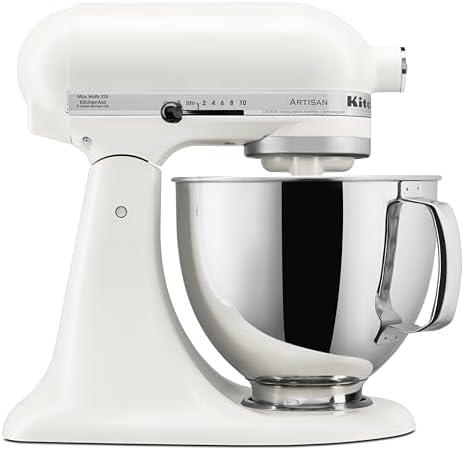
- Built to take it all on with the durable and built-to-last metal construction, and 59 touchpoints around the mixer bowl …
- 5 Quart Stainless Steel Bowl with comfortable handle for small or large batches, to mix up 9 dozen cookies* in a single …
- Easily add ingredients with the tilt-head design, because you’ll have better access to the bowl – lock the head in place…
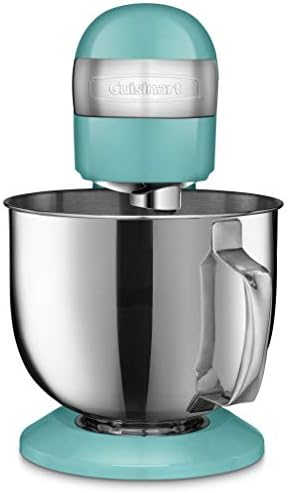
- SUPERIOR FUNCTION: Delivering power, precision and performance, our stand mixer features a 5.5-quart capacity with a 500…
- MUST-HAVE FEATURES: Polished stainless steel bowl, tilt-back head and one power outlet for optional attachments
- INCLUDED: Chef’s whisk, dough hook, flat mixing paddle, and splash guard with pour spout – also included is an instructi…
Quick Overview: Best Stand Mixers for Bread Dough
| Stand Mixer | Best For | Capacity | Dough Strength | Mixer Type | Price Tier |
|---|---|---|---|---|---|
| Ankarsrum Assistent Original | Serious bread & sourdough bakers | 7.4-qt (7L) bowl | Very high | Rotating bowl / roller | Premium |
| Ooni Halo Pro Spiral Mixer | Frequent pizza dough & bread | 7.3-qt bowl | Very high | Spiral / rotating bowl | Premium |
| KitchenAid Professional 600 Series | Large batches, bowl-lift stability | 6-qt bowl | High | Bowl-lift planetary | Mid-to-premium |
| Bosch Universal Plus | Value-focused heavy dough use | 6.5-qt bowl | High | Bottom-drive, belt-driven | Mid-range |
| KitchenAid Artisan Plus | Everyday/weekly bread baking | 5-qt bowl | Moderate | Tilt-head planetary | Mid-range |
| Cuisinart Precision Master (SM-50) | Occasional bread bakers | 5.5-qt bowl | Entry-level | Tilt-head planetary | Budget |
Product Comparison Table
| Product | Capacity | Mixer Design | Best Dough Type | Best For | Key Strength | Main Limitation | Price Tier |
|---|---|---|---|---|---|---|---|
| Ankarsrum Assistent Original | 7.4-qt bowl, up to roughly 11–15 lbs dough per listed specs | Rotating bowl with roller and scraper | Sourdough, high-hydration bread | Bakers who mix bread multiple times a week | Extremely stable, gentle on gluten, long warranty | Learning curve vs. a planetary mixer | Premium |
| Ooni Halo Pro | 7.3-qt bowl, up to ~5 kg (about 11 lbs) dough | Spiral hook + rotating bowl + breaker bar | Pizza dough, bread dough | Frequent pizza and bread bakers | Commercial-style spiral kneading | Newer to the U.S. market, premium price | Premium |
| KitchenAid Professional 600 | 6-qt stainless bowl | Bowl-lift planetary | Bread, larger batches | Bakers who want bowl-lift stability | Sturdy build, wide attachment ecosystem | Independent testers note real dough capacity runs below KitchenAid’s advertised max | Mid-to-premium |
| Bosch Universal Plus | 6.5-qt bowl, up to roughly 14–15 lbs dough per retailer listings | Bottom-drive, belt-driven | Whole grain, high-hydration dough | Value-focused heavy dough bakers | Low center of gravity resists “walking” | Center-post bowl design can make dough removal fiddly | Mid-range |
| KitchenAid Artisan Plus | 5-qt bowl | Tilt-head planetary | Everyday bread, moderate batches | Weekly bakers, mixed baking use | Easy bowl access, refined controls | Lighter-duty than bowl-lift or spiral designs for stiff dough | Mid-range |
| Cuisinart Precision Master (SM-50) | 5.5-qt bowl | Tilt-head planetary | Light bread and pizza dough | Occasional bakers, budget shoppers | Affordable entry point with a real dough hook | Not built for frequent, heavy kneading sessions | Budget |
<a href=”[AFFILIATE LINK]”>Check Price on Amazon</a>
Best Stand Mixers for Bread Dough in 2026
Ankarsrum Assistent Original
- Stainless steel and carbon steel construction
- Includes a 7 liter Stainless Steel mixing bowl, dough roller, dough knife, dough scraper, dough hook, dust cover lid, a …
- All metal, chrome plated zinc, speed control and timer knobs
Best for: Serious sourdough and bread bakers who knead multiple times a week.
Why it stands out: Instead of a beater arm that spins inside a stationary bowl, the Ankarsrum rotates the bowl itself while a fixed roller and scraper work the dough — a mixing style <a href=”https://shop.kingarthurbaking.com/items/ankarsrum-original-stand-mixer”>King Arthur Baking describes as reminiscent of a professional spiral mixer</a>, with a large, stable base and a wide bowl that makes it easy to add ingredients and watch dough come together. King Arthur’s testers also reported that breads mixed with the Ankarsrum rose higher and had better texture compared to other machines they tried.
Bread dough performance: According to the manufacturer and its U.S. retailers, the 7.4-quart stainless bowl handles a substantial dough load per batch, with listed figures ranging from about 11 lbs to 15 lbs of dough depending on the source. Tom’s Guide reviewed the mixer as an “Editor’s Choice for serious bakers,” noting it can handle baking jobs of all sizes and styles with an extremely powerful motor, though they also flagged a potentially steep learning curve for people coming from a KitchenAid.
Pizza dough performance: The gentle roller-and-scraper action is well suited to high-hydration pizza doughs, since it develops gluten without tearing it the way an aggressive hook can.
Important specifications: 7.4-qt (7L) stainless steel bowl, 1500W max / roughly 600W continuous motor rating per retailer listings, infinite variable speed dial, 3.5L auxiliary bowl for whisking, and a 7-year motor and base warranty according to several U.S. retailers.
Pros:
- Very stable on the counter, even under heavy load
- Gentle kneading action preserves gluten structure
- Long manufacturer warranty relative to competitors
- Doubles as a proofing vessel with its lid
Cons:
- Premium price point
- Different technique than a standard hook-style mixer, so there’s a real adjustment period
- Large countertop footprint
Who should buy it: Bakers who make bread or pizza dough several times a week and want a machine built to handle that pace long-term.
Who should skip it: Anyone who bakes bread only occasionally, or who wants a familiar planetary mixing action out of the box.
<a href=”[AFFILIATE LINK]”>See Today’s Price on Amazon</a>
Ooni Halo Pro Spiral Mixer
- High Capacity & High Efficiency: The maximum amount of dough is 3 kg/6.6 lbs/105.8 oz. Compared with other mixers, our 8…
- LED Display & Time Setting Function & Tilt Head Design: The stand mixer features a digital display showing the operation…
- Lower Noise: Our dough mixer operates at an ultra-low noise level, with the first gear producing ≤48 dBA and the highest…
Best for: Home bakers who make pizza dough regularly and want commercial-style kneading.
Why it stands out: Ooni built its reputation on pizza ovens, and the Halo Pro brings a genuine spiral-mixer design — the kind used in pizzerias — to a home countertop. Its rotating bowl, spiral dough hook, and removable breaker bar work together to develop gluten networks that Ooni says produce stronger dough than a standard planetary mixer.
Bread dough performance: The 7.3-quart bowl is rated for up to roughly 5 kg (about 11 lbs) of dough, and the 650-watt DC motor is paired with 58 speed settings for fine control over kneading intensity.
Pizza dough performance: This is the Halo Pro’s core use case. Spiral mixers are the standard equipment in pizzerias precisely because they knead high-hydration, stretchy pizza dough without overheating it — a real risk with underpowered planetary mixers running long kneads. Tom’s Guide’s review called it an “Editor’s Choice,” reporting that it tackles huge batches with ease and produces excellent gluten development, while also noting it comes at a steep price and has a bowl on the larger side.
Important specifications: 7.3-qt stainless steel bowl, 650W motor, 58 speeds (60–1,000 RPM), tilt-head design with a detachable bowl, built-in 60-minute timer, and LED bowl lighting.
Pros:
- Purpose-built spiral kneading for pizza and bread dough
- Detachable bowl and multiple attachments add general versatility
- Digital speed control with a wide range
Cons:
- One of the pricier options in this category
- Newer to the U.S. market than KitchenAid or Bosch, so long-term reliability data is limited
- Heavier and bulkier than a standard 5-quart mixer
Who should buy it: Frequent pizza makers and bread bakers who want the kneading style used in professional kitchens.
Who should skip it: Casual bakers who make dough only occasionally, or anyone prioritizing a compact footprint.
<a href=”[AFFILIATE LINK]”>Check Price on Amazon</a>
KitchenAid Professional 600 Series (6-Qt Bowl-Lift)
- 10 different attachments. Cord length : 36 Inches
Best for: Bakers who want bowl-lift stability and a familiar planetary mixing action for larger batches.
Why it stands out: Unlike KitchenAid’s tilt-head models, the Professional 600 uses a bowl-lift design, which cradles the bowl between two arms instead of hanging it off a tilting head. According to KitchenAid, the mixer comes with a 6-quart stainless steel bowl and a coated Powerknead spiral dough hook designed specifically for kneading.
Bread dough performance: KitchenAid markets the bowl as capable of handling recipes that use up to roughly 8+ loaves of bread worth of flour in one batch. Independent testers, however, caution that this figure describes bowl volume rather than what the motor can comfortably knead. One long-time owner reviewing the mixer noted that although the bowl can definitely fit ingredients for 8 loaves, the motor just won’t be able to handle that much at once, and that they’d personally never pushed it past a more moderate batch size. That’s an important distinction covered in more detail in the “bowl capacity vs. practical dough capacity” section below.
Pizza dough performance: The bowl-lift design’s added stability compared to KitchenAid’s tilt-head models makes it more comfortable with stiffer, less-hydrated pizza doughs, according to multiple published comparisons.
Important specifications: 6-qt stainless bowl, 10 speeds, bowl-lift design, Powerknead spiral dough hook, compatible with KitchenAid’s full hub-attachment ecosystem.
Pros:
- Bowl-lift design resists tipping and rocking under heavy loads
- Wide compatibility with KitchenAid’s attachment ecosystem (pasta rollers, meat grinders, and more)
- All-metal gear construction
Cons:
- Tall and heavy, with a larger counter footprint than tilt-head models
- Advertised maximum bread capacity is higher than what many owners report achieving in practice
- KitchenAid’s published warranty terms are shorter than some competitors’
Who should buy it: Bakers who want the reliability of a well-known brand with genuine bowl-lift stability for bigger batches.
Who should skip it: Anyone whose kitchen counter space is limited, or bakers who mainly need a machine for single-loaf batches.
<a href=”[AFFILIATE LINK]”>View Current Amazon Price</a>
Bosch Universal Plus
- Lightweight 6.5-quart plastic BPA-free bowl with easy-grip handle and removable drive shaft for easy cleaning; bowl is d…
- Dual beaters provide triple whipping action up to any whipping task. Whip as little as one egg white, mash up to 10 poun…
- Powerful belt-driven Transmission ensures adequate torque for almost any recipe, even kneading up to 14 loaves (15 pound…
Best for: Bakers who want serious dough-handling power without paying premium prices.
Why it stands out: The Bosch Universal Plus uses a bottom-drive, belt-driven motor rather than the top-mounted gear system found in most planetary mixers. That design change lowers the mixer’s center of gravity, which several retailers and reviewers say helps it stay put on the counter during heavy kneading instead of “walking.”
Bread dough performance: Retailer specification sheets consistently list the 6.5-quart bowl as capable of handling large dough batches, with figures ranging from about 14 to 15 lbs of dough depending on the listing. Reviewers at Foodal reported that reviewers talk of making six batches of bread dough at once with no problems using this machine.
Pizza dough performance: The open-top bowl design makes it easy to monitor stiff pizza dough as it develops, and the belt-driven transmission is built to deliver torque at low speeds — useful for dense, low-hydration doughs.
Important specifications: Motor wattage is listed inconsistently across retailers (some list 500W, others cite up to 800W for earlier production runs), which is itself a useful reminder that torque and transmission design matter more than the number on the box. Bowl capacity is 6.5 quarts, with a 3-year motor and transmission warranty reported by the manufacturer’s authorized resellers.
Pros:
- Bottom-drive design resists “walking” during heavy kneading
- Strong reported dough capacity relative to price
- Long motor/transmission warranty compared to many competitors
Cons:
- Only 4 speeds plus pulse, which is fewer than most competitors
- The bowl’s center-post design can make scraping out finished dough a little trickier
- Listed wattage varies by retailer and generation, so it’s worth confirming current specs before buying
Who should buy it: Value-focused bakers who bake bread or pizza dough regularly and want proven stability.
Who should skip it: Bakers who want a wide range of speed settings for delicate work like meringues.
<a href=”[AFFILIATE LINK]”>Check Availability on Amazon</a>
KitchenAid Artisan Plus
- Built to take it all on with the durable and built-to-last metal construction, and 59 touchpoints around the mixer bowl …
- 5 Quart Stainless Steel Bowl with comfortable handle for small or large batches, to mix up 9 dozen cookies* in a single …
- Easily add ingredients with the tilt-head design, because you’ll have better access to the bowl – lock the head in place…
Best for: Weekly bread bakers who also want a mixer that handles everyday baking tasks well.
Why it stands out: This is KitchenAid’s newer tilt-head model, sitting above the classic Artisan in features. It’s priced at $599 direct from KitchenAid, according to a Tom’s Guide review that tested the mixer firsthand and reported it comes with a 5-quart stainless steel bowl, an 11-speed dial, and a 350-watt motor.
Bread dough performance: The 350-watt motor and 5-quart bowl put this mixer in the “moderate” dough-strength category — fine for regular sandwich loaves, sourdough boules, and rolls, but not intended for back-to-back large batches the way a bowl-lift or spiral machine is.
Pizza dough performance: Suitable for typical home-batch pizza dough (one to two pizzas’ worth), though stiffer or larger batches may push the tilt-head design toward its limits, as is generally true of tilt-head mixers under heavy load.
Important specifications: 5-qt stainless bowl, 350W motor, 11 speeds, tilt-head design, integrated bowl light.
Pros:
- Easy bowl access thanks to the tilt-head design
- Refined controls and a bowl light for monitoring dough
- Lower price than bowl-lift or spiral alternatives
Cons:
- Smaller bowl capacity limits large-batch or multi-loaf baking
- Tilt-head designs are generally less stable than bowl-lift models under heavy dough loads
- Not intended for frequent, large-batch bread production
Who should buy it: Home bakers who make bread weekly, alongside cakes, cookies, and other everyday mixing tasks.
Who should skip it: Bakers who regularly make large or multiple batches of dense dough in one sitting.
<a href=”[AFFILIATE LINK]”>See Today’s Price on Amazon</a>
Cuisinart Precision Master (SM-50)
- SUPERIOR FUNCTION: Delivering power, precision and performance, our stand mixer features a 5.5-quart capacity with a 500…
- MUST-HAVE FEATURES: Polished stainless steel bowl, tilt-back head and one power outlet for optional attachments
- INCLUDED: Chef’s whisk, dough hook, flat mixing paddle, and splash guard with pour spout – also included is an instructi…
Best for: Occasional bread bakers looking for an affordable entry point.
Why it stands out: At a lower price than the other mixers on this list, the Precision Master still includes a real dough hook and a 500-watt motor, making it a reasonable starting point for bakers who don’t need heavy-duty, everyday dough performance.
Bread dough performance: The 5.5-quart bowl and 12-speed dial can manage standard bread recipes and moderate batches. It’s not designed for frequent stiff-dough kneading or large multi-loaf batches, but it’s a legitimate option for someone baking bread occasionally rather than weekly.
Pizza dough performance: Manageable for single-batch pizza dough at home; the included dough hook is specifically intended for yeasted doughs.
Important specifications: 5.5-qt stainless bowl, 500W motor, 12 speeds, tilt-back head, die-cast metal construction, 3-year limited warranty per the manufacturer.
Pros:
- Lowest price point among the mixers in this guide
- Real stainless bowl and dough hook, not a plastic-bowl budget mixer
- Manufacturer-backed 3-year warranty
Cons:
- Not built for frequent, heavy-duty dough use
- Smaller bowl capacity than the bowl-lift, spiral, or rotating-bowl options above
- Less proven long-term durability under sustained dough loads compared to premium options
Who should buy it: Budget-conscious bakers who bake bread occasionally and want a functional dough hook without a big investment.
Who should skip it: Anyone baking bread or pizza dough weekly, or working with stiff bagel-style dough regularly.
<a href=”[AFFILIATE LINK]”>Check Price on Amazon</a>
Which Mixer Fits Your Baking Style?
- Best for serious bread bakers: Ankarsrum Assistent Original — its rotating-bowl design and large capacity are built for repeated, heavy use.
- Best for frequent pizza dough: Ooni Halo Pro — a true spiral mixer designed around pizza dough’s demands.
- Best for stiff dough (bagels, low-hydration bread): Ankarsrum Assistent Original or Bosch Universal Plus — both are engineered for high-torque, low-speed kneading.
- Best for sourdough: Ankarsrum Assistent Original — its gentle roller action is well suited to sourdough’s long mixing and stretch-and-fold-style development.
- Best for large batches: KitchenAid Professional 600 or Bosch Universal Plus — both offer 6-plus-quart bowls with stability features suited to bigger loads.
- Best for occasional bread bakers: Cuisinart Precision Master — a functional, budget-friendly dough hook without the investment of a premium machine.
- Best premium option: Ankarsrum Assistent Original or Ooni Halo Pro.
- Best value option: Bosch Universal Plus.
Bread Dough vs. Pizza Dough: Does Your Mixer Need to Be Different?
Bread and pizza dough aren’t identical mixing jobs, even though both rely on the same basic gluten-development process. Several variables change how much stress each recipe puts on a mixer:
- Hydration: High-hydration doughs (many artisan breads and Neapolitan-style pizza doughs) are stickier and wetter, which can actually be easier on a motor than a stiff, low-hydration dough — but they require longer mixing times to develop structure.
- Dough stiffness: Bagels, some rustic breads, and thick-crust pizza doughs sit at the stiff end of the spectrum, putting more continuous resistance on the motor and gears.
- Kneading duration: Bread dough is often kneaded for 8–12 minutes at moderate speed, while pizza dough recipes vary widely — some are mixed briefly and left to develop through long, cold fermentation instead.
- Batch size: A single-pizza batch is a light workload for almost any mixer; six loaves of bread in one bowl is a very different story.
- Gluten development: Overworking dough with an aggressive hook at high speed can tear gluten strands rather than build them, which is one reason gentler roller-style designs like the Ankarsrum are popular with serious bread bakers.
- Mixer stability: Longer, harder kneads are exactly when a lightweight or poorly balanced mixer is most likely to shift or “walk” on the counter.
A mixer that handles the occasional round of pizza dough just fine may not hold up to weekly, stiff bread dough — the difference is less about whether the machine can mix dough at all, and more about how long and how often it’s asked to do that job.
Sourdough
Sourdough doughs are often high-hydration and require thorough mixing to build the gluten structure that traps fermentation gases. Because sourdough bakers frequently mix large batches and knead for extended periods, mixer stability and motor endurance over several minutes matter more here than with a quick cake batter.
Whole-Wheat Bread
Whole-wheat and other whole-grain flours absorb liquid differently than white flour and tend to produce denser, heavier dough. That density places additional demands on the mixer’s torque, since the bran and germ in whole-grain flour create more resistance during kneading.
Brioche
Enriched doughs like brioche include butter, eggs, and sugar, which change the dough’s texture and often require longer mixing times to fully incorporate fat without breaking the gluten network. Longer mixing sessions again put a premium on motor endurance rather than raw speed.
Bagel Dough
Bagel dough is intentionally stiff and low-hydration to produce the chewy texture bagels are known for. This is one of the most demanding dough types for a home stand mixer, and it’s where underpowered machines are most likely to strain, stall, or overheat.
Pizza Dough
Pizza dough recipes range from soft and workable to firm, thick-crust styles. Home bakers making larger batches — for a pizza night with several pies — will put more sustained demand on a mixer than a single-crust batch.
Tilt-Head vs. Bowl-Lift vs. Spiral Mixer
Tilt-head
Tilt-head mixers, like the KitchenAid Artisan Plus, lift the motor head up and back, giving easy access to the bowl for adding ingredients or scraping down the sides. That convenience is a real advantage for everyday baking. The tradeoff is that the head’s hinge mechanism can be less stable under heavy, sustained loads compared to a bowl-lift design, since the weight of the mixing action isn’t as evenly supported.
Bowl-lift
Bowl-lift mixers, like the KitchenAid Professional 600, raise and lower the bowl on two support arms instead of moving the head. This generally provides greater stability for heavier dough and larger batches, since the mixing forces are distributed more symmetrically. The tradeoff is size: bowl-lift mixers tend to be taller, heavier, and take up more vertical and counter space.
Spiral / rotating-bowl design
Spiral and rotating-bowl mixers — the Ankarsrum and Ooni Halo Pro in this guide — work differently from conventional planetary mixers. Instead of a beater orbiting inside a fixed bowl, the bowl itself rotates while a stationary or semi-stationary hook, roller, or breaker bar works the dough. This mechanical approach mimics the stretching and folding of hand-kneading more closely than a typical hook-and-bowl setup, which is part of why serious dough bakers and pizzerias have historically favored spiral mixers. No single design is universally “best” — the right choice depends on how often you knead heavy dough, how much counter space you have, and how comfortable you are with a different mixing technique.
How Much Power Does a Stand Mixer Need for Bread Dough?
Wattage gets top billing on most product listings, but it doesn’t tell the whole story — and, as the conflicting Bosch Universal Plus specifications above illustrate, it isn’t even always reported consistently by retailers for the same machine. What actually determines how a mixer handles dough is a combination of factors:
- Torque: The rotational force the motor can deliver at low speed, which matters more for dough than raw wattage. A high-wattage motor with poor torque can still bog down in stiff dough.
- Gearing and transmission: Belt-driven and direct-gear-driven systems transfer power differently. Bosch’s belt-driven system, for example, is specifically designed to increase torque at low speeds.
- Motor design: DC motors (used in machines like the Ooni Halo Pro) can offer more consistent power delivery across a wide speed range than simpler AC motors.
- Mixer weight and base design: A heavier mixer, or one with a low center of gravity like the Bosch’s bottom-drive design, is less likely to shift or “walk” when the dough hook meets resistance.
- Bowl design: Bowl shape and depth affect how efficiently the dough hook engages the entire dough mass rather than just spinning through the center.
- Dough hook design: Spiral hooks, C-shaped hooks, and roller-style kneaders all interact with dough differently, and hook geometry has a real effect on how thoroughly gluten develops.
- Batch size relative to bowl capacity: Even a powerful mixer will strain if it’s loaded beyond its practical dough capacity — which brings us to the next section.
How Much Dough Can a Stand Mixer Handle?
Manufacturers publish a bowl capacity (how much volume the bowl holds) and often a recommended ingredient capacity (like “13 dozen cookies” or “8 loaves of bread”). Neither of those numbers is the same as practical dough capacity — the amount the motor can comfortably and safely knead without straining.
As one long-time KitchenAid Professional 600 owner put it in a published review, the bowl can definitely fit ingredients for 8 loaves, but the motor just won’t be able to handle it at that volume. That’s a useful reminder: a 6-quart bowl doesn’t automatically mean the motor can safely knead a 6-quart-sized dough load. Bowl capacity describes physical space; practical dough capacity is limited by the motor, gearing, and how much continuous resistance the machine is designed to handle.
Always follow the manufacturer’s specific dough-capacity recommendations for your model and recipe, rather than assuming bowl size alone tells you what’s safe to mix.
Features That Matter Most for Bread Dough
- Motor torque: Determines whether the mixer bogs down in stiff or high-volume dough.
- Bowl stability: Prevents “walking” or tipping during long kneads.
- Dough-hook design: Spiral, C-shaped, and roller-style hooks develop gluten differently — geometry matters as much as material.
- Bowl capacity: Sets the physical ceiling on batch size, though it’s not the same as safe kneading capacity.
- Mixer weight: Heavier mixers generally resist movement better during heavy kneading.
- Speed control: More speed settings (or a variable dial) give finer control over kneading intensity, which matters for delicate or enriched doughs.
- Overheating protection: Long kneads generate heat in the motor; some mixers include thermal protection that matters for frequent, heavy use.
- Construction quality: All-metal gears typically outlast plastic gears under repeated heavy loads.
- Warranty: Warranty length is one useful (though imperfect) signal of how confident a manufacturer is in long-term durability.
- Replacement parts: Easy access to replacement dough hooks, bowls, and gears extends a mixer’s useful life.
- Attachment ecosystem: A wide range of compatible attachments (pasta rollers, grinders) adds long-term value beyond dough mixing.
- Countertop footprint: Bowl-lift and spiral mixers require more vertical clearance than tilt-head models.
- Noise: Heavier-duty mixers under load can be louder; this matters if you bake early or late in the day.
- Cleaning: Dishwasher-safe bowls and attachments save time, especially with sticky dough.
Common Mistakes When Buying a Mixer for Bread
- Buying based only on wattage, without considering torque, gearing, or transmission design.
- Choosing a mixer because it’s popular rather than because its dough capacity and stability match your baking habits.
- Ignoring dough capacity and assuming a large bowl automatically means large safe batches.
- Ignoring mixer stability, which becomes a real problem the first time a stiff dough makes a lightweight mixer shift on the counter.
- Assuming every 5- or 6-quart mixer handles the same amount of dough — bowl size and motor strength don’t always scale together across brands.
- Buying a lightweight mixer for frequent stiff dough, then being surprised when it struggles or wears out faster than expected.
- Ignoring warranty and replacement parts, which matter more for a mixer used weekly than one used a few times a year.
- Not checking countertop clearance, especially for tall bowl-lift or spiral mixers that need headroom to lift or tilt.
- Assuming a bread specialist is automatically the best general-purpose mixer — a rotating-bowl or spiral design optimized for dough may be less convenient for whipping cream or making small-batch frosting than a standard planetary mixer.
How to Use a Stand Mixer for Bread Dough
- Add ingredients according to your specific recipe’s instructions and order.
- Start on the lowest speed to bring ingredients together before increasing speed.
- Use the speed the manufacturer recommends for kneading with a dough hook — this varies by model.
- Monitor dough development visually and by feel rather than relying solely on a timer.
- Avoid exceeding your mixer’s recommended dough capacity, even if the bowl looks like it has room.
- Stop the mixer if it shows signs of strain, unusual noise, or if the machine begins to move on the counter.
- Follow your specific mixer’s manufacturer guidance for maximum continuous kneading duration.
If you’re new to baking bread at home, it’s also worth thinking beyond the mixer: the right <a href=”https://kitchenlabzone.com/best-baking-sheets-2026/”>baking sheets</a> make a real difference for oven spring and even browning once your dough is ready to bake, and a good <a href=”https://kitchenlabzone.com/best-bread-boxes-2026/”>bread box</a> helps keep a fresh homemade loaf from going stale within a day or two.
Which Stand Mixer Should You Buy for Bread Dough?
There’s no single “best for everyone” answer here — the right mixer depends on how often you bake, what kind of dough you make, and how much counter space and budget you’re working with.
- Occasional bread baker: The Cuisinart Precision Master offers a genuine dough hook and stainless bowl at the lowest price point in this guide, without the investment of a heavy-duty machine you’ll rarely fully use.
- Weekly bread baker: The KitchenAid Artisan Plus balances everyday convenience with a real (if moderate) dough capacity, making it a solid all-rounder for someone baking bread most weeks alongside other recipes.
- Serious sourdough baker: The Ankarsrum Assistent Original’s rotating-bowl design and large capacity are built specifically for the demands of frequent, high-hydration sourdough baking.
- Pizza enthusiast: The Ooni Halo Pro’s spiral mixing technology is purpose-built for pizza dough, especially for anyone making multiple pizzas at once.
- Large-family baker: The KitchenAid Professional 600’s bowl-lift stability and 6-quart capacity suit families baking bigger batches regularly.
- Heavy/stiff dough baker (bagels, dense whole-grain bread): The Bosch Universal Plus or Ankarsrum Assistent Original both offer the torque and stability that stiff, low-hydration doughs demand.
- Budget-conscious buyer: The Bosch Universal Plus delivers strong reported dough capacity relative to its price, making it the best value pick for bakers who don’t need a premium rotating-bowl design.
Whichever mixer you choose, matching the machine to how often and how heavily you actually bake — rather than chasing the highest wattage number — is the difference between a mixer that lasts for decades and one that struggles within a year. If your bread-baking plans include other appliances beyond the mixer itself, our guide to the <a href=”https://kitchenlabzone.com/best-toaster-ovens-of-2026-top-rated-models-for-baking-toasting-air-frying-and-everyday-cooking/”>best toaster ovens of 2026</a> is worth a look for smaller-batch baking and reheating homemade bread.
Frequently Asked Questions
What is the best stand mixer for bread dough in 2026? Based on published manufacturer specifications and expert reviews, the Ankarsrum Assistent Original and Ooni Halo Pro Spiral Mixer stand out for serious, frequent bread and pizza dough use, thanks to their rotating-bowl and spiral mixing designs. For bakers who want a more familiar planetary mixer, the KitchenAid Professional 600 and Bosch Universal Plus are strong bowl-lift and high-torque alternatives.
Can a KitchenAid make bread dough? Yes. KitchenAid’s bowl-lift models, like the Professional 600, are built with dough hooks specifically designed for bread. Tilt-head models like the Artisan Plus can also handle bread dough, though they’re generally better suited to moderate batches than frequent, large-scale kneading.
What is the best stand mixer for pizza dough? The Ooni Halo Pro’s spiral mixing design is purpose-built for pizza dough, replicating the kneading style used in professional pizzerias. The Ankarsrum Assistent Original is also well regarded for pizza dough, particularly high-hydration styles.
Is a bowl-lift mixer better for bread? Bowl-lift mixers generally offer more stability than tilt-head models under heavy dough loads, since the bowl is supported on both sides rather than hung off a tilting head. That makes them a strong choice for larger or stiffer batches, though tilt-head mixers can still handle moderate bread baking well.
How many watts should a stand mixer have for bread? There’s no single wattage threshold that guarantees good dough performance, since torque, gearing, and transmission design matter as much as raw wattage. Mixers in the 350W–800W range appear throughout this guide, and the ones with the strongest reported dough performance combine solid wattage with torque-focused engineering, like belt-driven transmissions or DC motors.
Can a stand mixer knead sourdough? Yes. Stand mixers with a dough hook, and especially rotating-bowl designs like the Ankarsrum, are well suited to sourdough’s often high-hydration, long-mixing requirements.
What size stand mixer is best for bread? It depends on your typical batch size. A 5-quart bowl is generally sufficient for single-loaf or small-batch baking, while 6-quart-plus bowls (bowl-lift, spiral, or rotating-bowl designs) suit bakers who regularly make larger or multiple batches at once.
Is an Ankarsrum better for bread dough? Many expert sources, including King Arthur Baking, rate the Ankarsrum highly for bread dough specifically, citing its stability and gentle-but-thorough kneading action. Whether it’s “better” for your kitchen depends on your budget, counter space, and comfort with its different mixing technique compared to a standard planetary mixer.
Can a stand mixer handle stiff bagel dough? Higher-torque mixers, like the Ankarsrum Assistent Original and Bosch Universal Plus, are generally better suited to stiff, low-hydration bagel dough than lighter-duty tilt-head mixers, which can strain under that kind of continuous resistance.
How long should a stand mixer knead bread dough? Kneading time varies significantly by recipe, flour type, and hydration level, so it’s best to follow your specific recipe and your mixer manufacturer’s recommended kneading duration rather than a universal rule.
Meta Description
Compare the best stand mixers for bread dough in 2026, from bowl-lift KitchenAid models to spiral and rotating-bowl designs built for sourdough and pizza dough.
SEO Slug
best-stand-mixer-bread-dough
Featured Image Concept
A bright, modern U.S. kitchen countertop scene shot from a slightly elevated angle: a premium stainless-steel stand mixer (bowl-lift or spiral style) mid-knead, with a visible dough hook lifting a smooth, elastic ball of bread dough out of the bowl. To one side, a round of shaped pizza dough rests on a floured wooden board; in soft focus behind the mixer, a fresh-baked golden loaf of homemade bread cools on a wire rack. Warm natural light from a nearby window, light flour dusting on the counter for texture, neutral kitchen backdrop (white subway tile or light wood cabinetry) so the mixer and dough remain the visual focus. Uncluttered composition with generous negative space in the upper third for thumbnail text.
Thumbnail Text
BEST STAND MIXER FOR BREAD DOUGH
FAQ Schema (JSON-LD)
json
{
  "@context": "https://schema.org",
  "@type": "FAQPage",
  "mainEntity": [
    {
      "@type": "Question",
      "name": "What is the best stand mixer for bread dough in 2026?",
      "acceptedAnswer": {
        "@type": "Answer",
        "text": "Based on published manufacturer specifications and expert reviews, the Ankarsrum Assistent Original and Ooni Halo Pro Spiral Mixer stand out for serious, frequent bread and pizza dough use, thanks to their rotating-bowl and spiral mixing designs. For bakers who want a more familiar planetary mixer, the KitchenAid Professional 600 and Bosch Universal Plus are strong bowl-lift and high-torque alternatives."
      }
    },
    {
      "@type": "Question",
      "name": "Can a KitchenAid make bread dough?",
      "acceptedAnswer": {
        "@type": "Answer",
        "text": "Yes. KitchenAid's bowl-lift models, like the Professional 600, are built with dough hooks specifically designed for bread. Tilt-head models like the Artisan Plus can also handle bread dough, though they're generally better suited to moderate batches than frequent, large-scale kneading."
      }
    },
    {
      "@type": "Question",
      "name": "What is the best stand mixer for pizza dough?",
      "acceptedAnswer": {
        "@type": "Answer",
        "text": "The Ooni Halo Pro's spiral mixing design is purpose-built for pizza dough, replicating the kneading style used in professional pizzerias. The Ankarsrum Assistent Original is also well regarded for pizza dough, particularly high-hydration styles."
      }
    },
    {
      "@type": "Question",
      "name": "Is a bowl-lift mixer better for bread?",
      "acceptedAnswer": {
        "@type": "Answer",
        "text": "Bowl-lift mixers generally offer more stability than tilt-head models under heavy dough loads, since the bowl is supported on both sides rather than hung off a tilting head. That makes them a strong choice for larger or stiffer batches, though tilt-head mixers can still handle moderate bread baking well."
      }
    },
    {
      "@type": "Question",
      "name": "How many watts should a stand mixer have for bread?",
      "acceptedAnswer": {
        "@type": "Answer",
        "text": "There's no single wattage threshold that guarantees good dough performance, since torque, gearing, and transmission design matter as much as raw wattage. Mixers in the 350W to 800W range appear throughout this guide, and the ones with the strongest reported dough performance combine solid wattage with torque-focused engineering, like belt-driven transmissions or DC motors."
      }
    },
    {
      "@type": "Question",
      "name": "Can a stand mixer knead sourdough?",
      "acceptedAnswer": {
        "@type": "Answer",
        "text": "Yes. Stand mixers with a dough hook, and especially rotating-bowl designs like the Ankarsrum, are well suited to sourdough's often high-hydration, long-mixing requirements."
      }
    },
    {
      "@type": "Question",
      "name": "What size stand mixer is best for bread?",
      "acceptedAnswer": {
        "@type": "Answer",
        "text": "It depends on your typical batch size. A 5-quart bowl is generally sufficient for single-loaf or small-batch baking, while 6-quart-plus bowls (bowl-lift, spiral, or rotating-bowl designs) suit bakers who regularly make larger or multiple batches at once."
      }
    },
    {
      "@type": "Question",
      "name": "Is an Ankarsrum better for bread dough?",
      "acceptedAnswer": {
        "@type": "Answer",
        "text": "Many expert sources, including King Arthur Baking, rate the Ankarsrum highly for bread dough specifically, citing its stability and gentle-but-thorough kneading action. Whether it's better for your kitchen depends on your budget, counter space, and comfort with its different mixing technique compared to a standard planetary mixer."
      }
    },
    {
      "@type": "Question",
      "name": "Can a stand mixer handle stiff bagel dough?",
      "acceptedAnswer": {
        "@type": "Answer",
        "text": "Higher-torque mixers, like the Ankarsrum Assistent Original and Bosch Universal Plus, are generally better suited to stiff, low-hydration bagel dough than lighter-duty tilt-head mixers, which can strain under that kind of continuous resistance."
      }
    },
    {
      "@type": "Question",
      "name": "How long should a stand mixer knead bread dough?",
      "acceptedAnswer": {
        "@type": "Answer",
        "text": "Kneading time varies significantly by recipe, flour type, and hydration level, so it's best to follow your specific recipe and your mixer manufacturer's recommended kneading duration rather than a universal rule."
      }
    }
  ]
}
Sources / External Links Used
- KitchenAid — Professional 600 Series 6-Quart Bowl-Lift Stand Mixer (official product page): https://www.kitchenaid.com/p.professional-600-series-6-quart-bowl-lift-stand-mixer.kp26m1xwh.html
- King Arthur Baking Shop — Ankarsrum Original Stand Mixer: https://shop.kingarthurbaking.com/items/ankarsrum-original-stand-mixer
- Tom’s Guide — Ankarsrum Assistent Original review: https://www.tomsguide.com/home/home-appliances/i-made-cake-cookies-and-bread-in-the-ankarsrum-assistent-stand-mixer-and-its-worth-the-learning-curve
- Tom’s Guide — Ooni Halo Pro Spiral Mixer review: https://www.tomsguide.com/home/home-appliances/ooni-halo-pro-spiral-stand-mixer-review
- Tom’s Guide — KitchenAid Artisan Plus review: https://www.tomsguide.com/home/kitchenaid-artisan-plus-mixer-review
- Foodal — Bosch Universal Plus review: https://foodal.com/kitchen/kitchen-appliances/stand-mixers/bosch-universal-plus-review/
Note: Product prices, wattage figures, and dough-capacity claims are drawn from manufacturer listings and third-party retailers current as of research. Prices, availability, and specifications may change — always verify current details before purchasing.